Simple Outdoor Seating Setup Ideas
Designing an outdoor space is never just about putting furniture outside and hoping it looks good. It’s about shaping a mood, a rhythm, and a small escape that feels naturally yours. When done right, even the smallest corner can feel like a private retreat where time slows down just a little.
Most people underestimate how much intention matters in home design, especially when it comes to comfort and usability. That’s where outdoor seating setup easy thinking comes in, turning what looks like an empty yard or balcony into something surprisingly functional, warm, and emotionally grounding.
Simple Outdoor Seating Concepts for Any Space
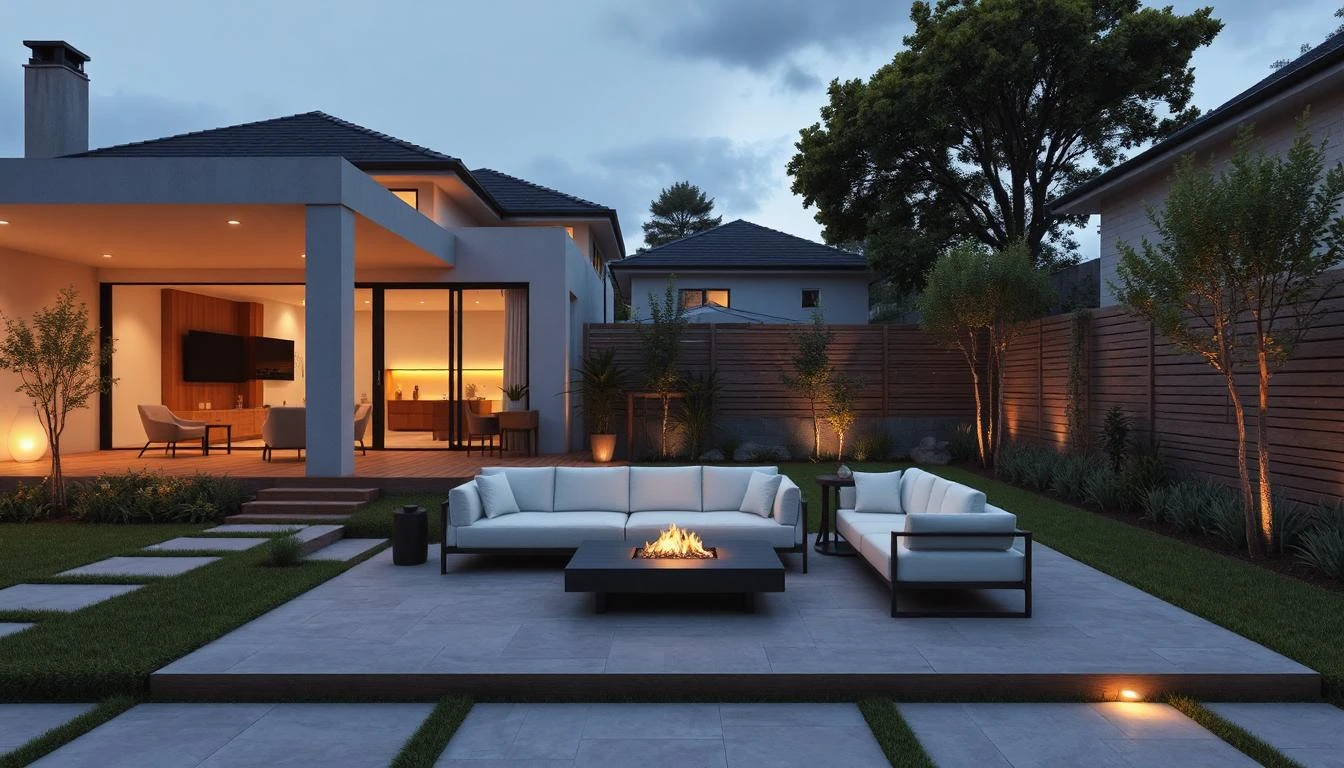
Outdoor seating doesn’t need complexity to feel premium. In fact, the best setups often come from simple, intentional decisions that prioritize flow over decoration. This is where design becomes less about objects and more about experience. The modern idea of outdoor lounge space comfort focuses on how people actually sit, relax, and move in a space rather than just how it looks in photos. Comfort becomes the main metric, not aesthetics alone.
Compact seating arrangements for small yards
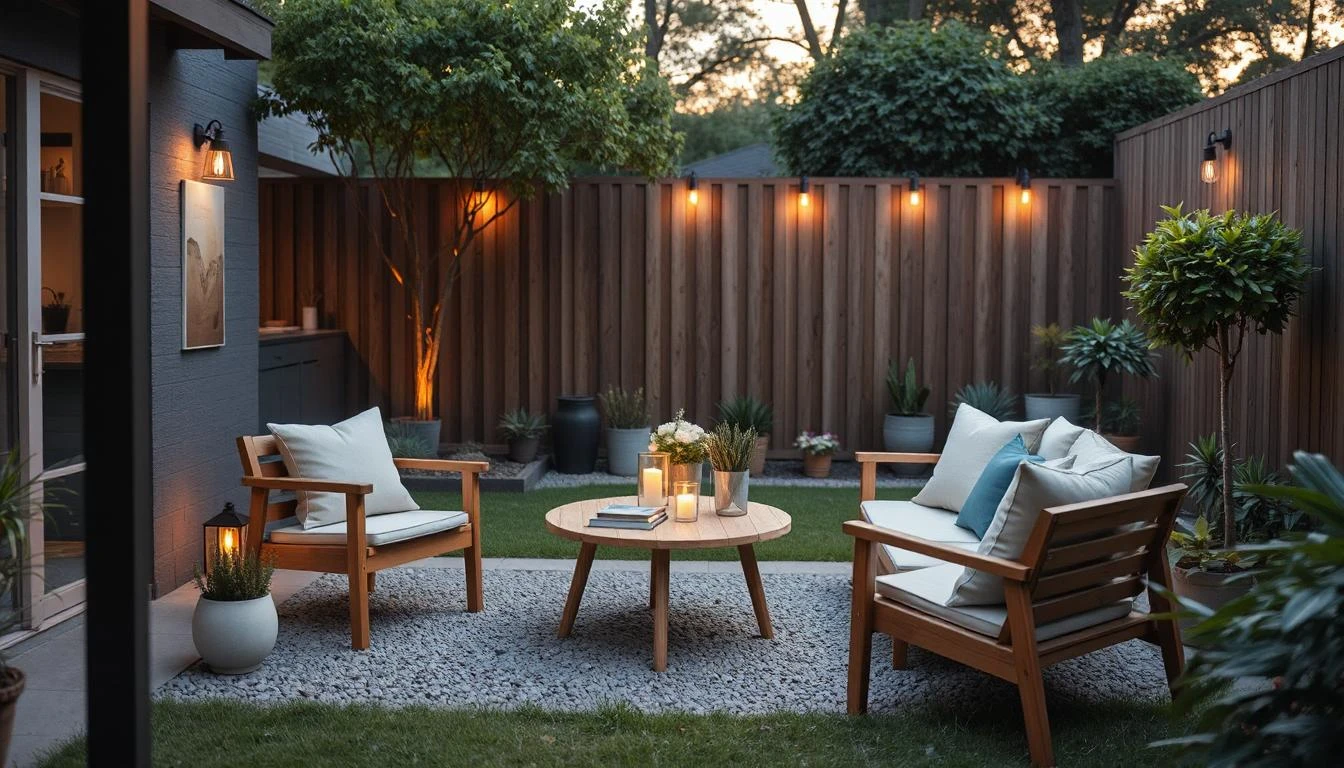
Small yards can still feel spacious when the layout respects movement and breathing room. Slim benches along walls, foldable chairs, and corner seating help open up visual space. Adding layered textures like wood and metal also creates depth without crowding the area. Designers often refer to this as visual expansion through restraint, where less furniture actually creates more perceived space.
Modular and flexible furniture ideas
Flexibility is the secret weapon of modern outdoor design. Modular seating allows users to reshape their space depending on mood or occasion. A sofa today can be two chairs tomorrow. This adaptability supports evolving lifestyle needs, especially in urban homes where space changes function frequently.
Budget friendly outdoor setup styles
Affordable setups can still look refined if consistency is maintained. Reclaimed wood seating, simple cushions, and DIY pallet furniture often deliver surprisingly elegant results. As landscape designer Mark Ellison once said, “Good outdoor design isn’t about budget size, it’s about how intelligently space is respected.”
Creating Comfortable and Functional Outdoor Areas
Outdoor comfort is not accidental, it is carefully engineered through shade, lighting, and spatial awareness. Every detail contributes to whether people stay longer or leave quickly. Shade, airflow, and lighting all play roles in shaping how usable a space becomes throughout the day and night.
Shade and weather protection solutions
Without proper shade, even the most beautiful seating area becomes unusable under harsh sun or rain. Pergolas, retractable canopies, and layered umbrellas help regulate exposure. Weather-resistant fabrics also extend furniture life while maintaining comfort.
Lighting for cozy evening atmosphere
Lighting transforms atmosphere instantly. Warm string lights, lantern-style fixtures, and soft LED ground lighting create emotional depth. This is where spaces stop being functional and start becoming experiential.
Space optimization techniques
Efficient layouts depend on movement flow. Avoid blocking natural walking paths and keep furniture proportions balanced. This approach is often seen in easy small backyard seating ideas where every piece has a defined purpose instead of just filling space.
Styling Tips for Outdoor Relaxation Zones
Styling is where personality enters the space. Without it, even well-arranged furniture can feel emotionally flat and disconnected. Textures, colors, and natural elements combine to build atmosphere rather than just decoration.
Adding cushions and soft textures
Soft textures immediately change how a space feels. Cushions, fabric throws, and padded seating reduce visual hardness while increasing comfort. This small adjustment often has the biggest emotional impact.
Natural decor integration ideas
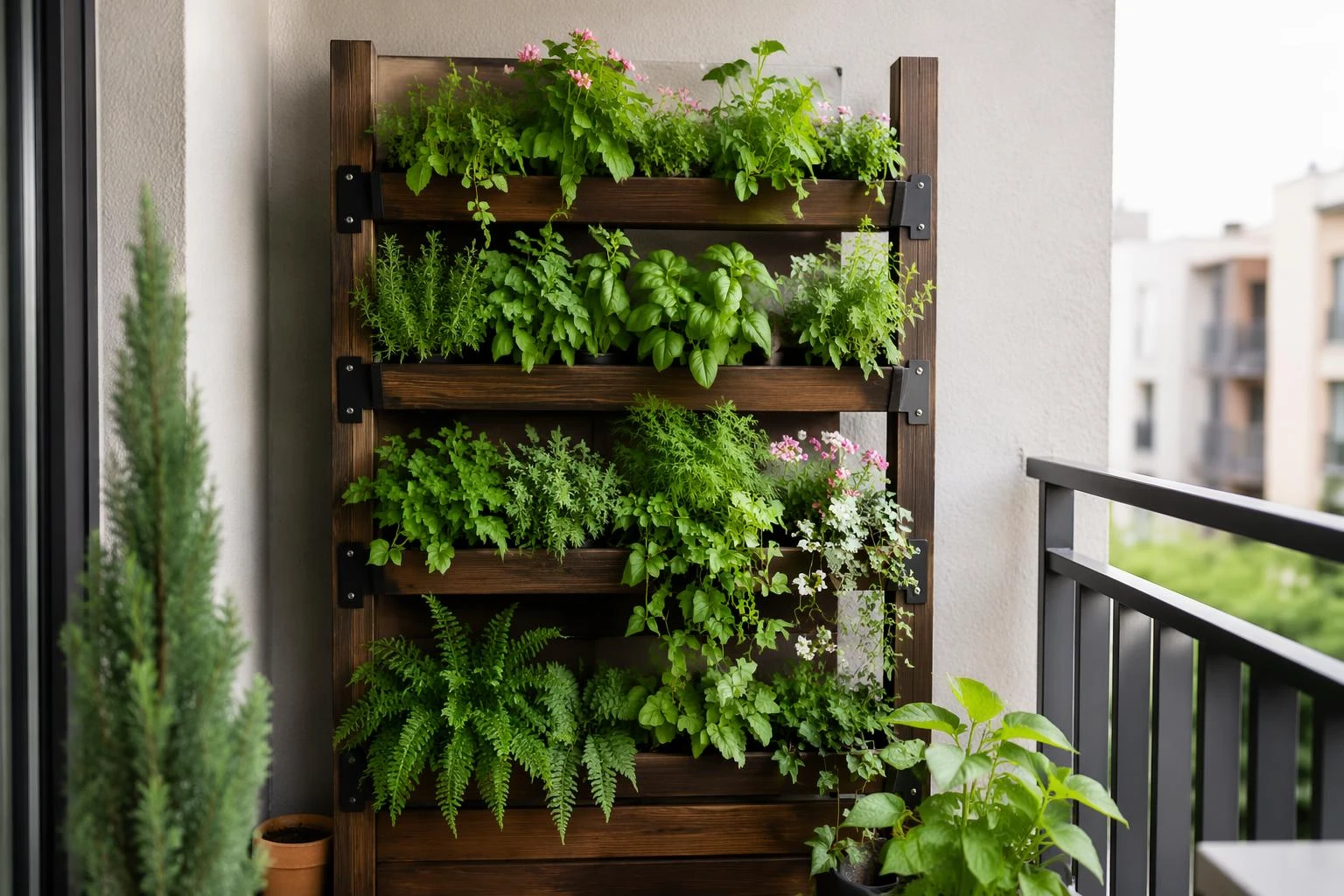
Plants, stones, and wooden accents bring life into structured layouts. Vertical gardens and potted greenery are especially effective in compact environments. They blur the boundary between built structure and natural environment.
Color harmony for outdoor spaces
Color choices define emotional tone. Earthy tones create grounding effects, while muted greens and blues encourage relaxation. Overly saturated colors tend to feel overwhelming under natural sunlight.
Turn Your Outdoor Space Into a Relaxing Seating Area Today
Most outdoor spaces fail not because of lack of space, but because of lack of direction. A thoughtful layout instantly changes how a space is experienced, even if nothing expensive is added. According to landscape architect Julia Hartman, “Outdoor environments become meaningful when people feel invited to stay, not just pass through.” That idea reflects how powerful intentional design can be in everyday living.
There’s also a growing trend of turning unused corners into micro-retreats, often using budget friendly outdoor patio setup ideas that focus on comfort layering rather than visual overload. Even a small balcony can feel like a private lounge when arranged with care. The most impactful outdoor transformations often come from removing excess rather than adding more.