Vertical Garden For Tiny Spaces
Small living spaces often feel like a design limitation, but in reality they are a blank canvas waiting for a smarter approach. Walls, railings, and narrow corners are no longer unused areas but potential ecosystems that quietly change how a home feels and functions.
Modern urban dwellers are increasingly shifting toward greener lifestyles through vertical garden compact ideas, especially when traditional gardening feels impossible due to space constraints. This shift is not just aesthetic, it reflects a deeper need for breathable, calming environments inside compact homes where nature feels distant yet necessary.
Vertical Gardening Solutions for Small Living Spaces
Small apartments and tight urban homes demand creativity that goes beyond conventional gardening. This section opens the door to understanding how structure and nature can coexist even in the most limited environments. The rise of home garden small space solutions has changed how designers and homeowners approach compact living. Instead of horizontal expansion, the focus shifts upward, turning walls into living systems that breathe, grow, and evolve over time.
Wall mounted plant systems for compact areas
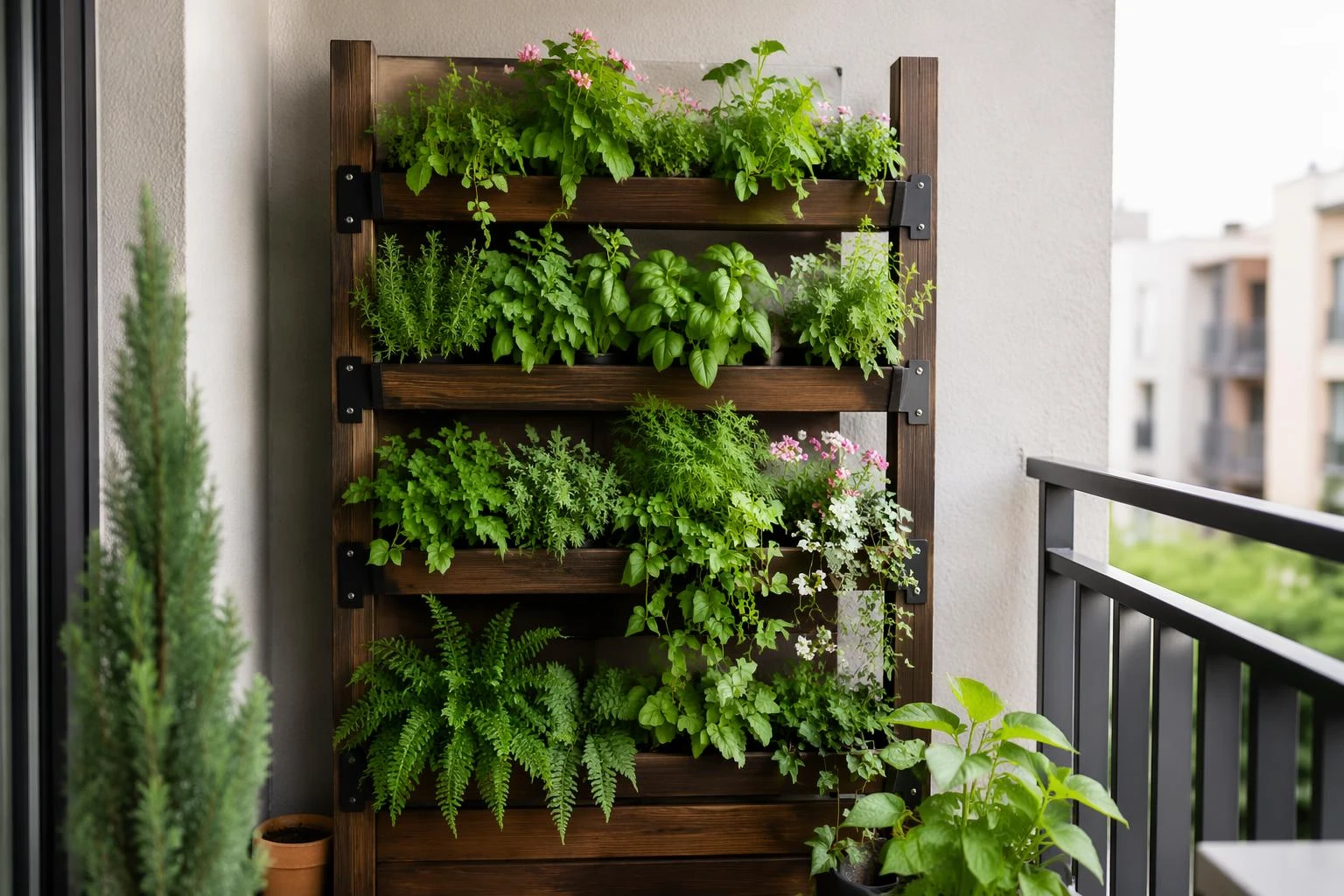
Wall-mounted systems are the backbone of vertical gardening design. They use modular pockets, framed grids, or hydroponic panels that allow plants to grow upward without occupying floor space. These systems are especially useful for apartments where every square meter matters. Interior designer Marco Linton once noted, “Vertical planting structures are not decorations, they are functional living architecture that reshapes spatial perception.” This perspective highlights how deeply integrated these systems have become in modern interiors.
Best plants for vertical garden survival
Choosing the right plants is essential for long-term success. Species like pothos, philodendrons, ferns, and snake plants thrive in vertical setups because of their adaptability and resilience. These selections align with broader indoor green wall plant systems and low maintenance apartment greenery strategies, making them ideal for beginners who want sustainable results without constant upkeep.
Space saving design principles for balconies
Balconies often hold untapped potential. By layering planters vertically, using railing-mounted pots, and adding hanging systems, even the smallest balcony can become a lush retreat. Some urban balconies are now evolving into micro-jungles that blur the line between architecture and nature.
Smart Plant Arrangement and Growth Techniques
Optimizing plant arrangement is not just about aesthetics, but about creating balance between light, moisture, and growth behavior. This is where design meets biology in a practical way. The popularity of vertical garden compact ideas continues to rise because it allows even beginners to design structured greenery without requiring large outdoor spaces. The growing trend of home garden small space solutions reflects a shift in how people value nature inside their homes, especially in high-density cities where outdoor access is limited.
Layering plants for visual depth
Layering is a technique that mimics natural ecosystems. Taller plants sit at the top, trailing species cascade downward, and mid-sized foliage fills the center. This arrangement creates depth and improves airflow between plants, reducing overcrowding while enhancing visual harmony.
Light optimization in tight spaces
Light distribution determines plant survival. Reflective surfaces, repositioned panels, and strategic placement near windows help maximize natural exposure. Horticulturist Diana Reyes explains, “Light management is the invisible foundation of vertical gardening success, without it, even the healthiest plants struggle to thrive.”
Watering systems for vertical setups
Watering vertical gardens manually can quickly become inefficient. Drip irrigation systems or modular self-watering units ensure consistent hydration across all levels. Advanced systems even recycle excess water, creating a semi-closed ecosystem that supports sustainable plant growth.
Maintenance Tips for Healthy Vertical Gardens
Sustaining a vertical garden requires rhythm rather than intensity. Small, consistent actions often produce better results than occasional heavy maintenance. The appeal of vertical garden compact ideas lies in their flexibility, but that flexibility still requires mindful upkeep to prevent imbalance or overcrowding.
Preventing root overcrowding issues
Root space is limited in vertical setups, so periodic replanting and breathable containers are essential. This prevents nutrient competition and ensures long-term plant health. Consistent soil refresh also keeps microbial balance stable for stronger growth.
Simple pruning and rotation methods
Regular pruning helps maintain shape and prevents excessive growth from blocking light. Rotating plant positions also ensures equal exposure and balanced development, while keeping the whole setup looking consistently fresh.
Seasonal adjustment strategies
Plants respond strongly to seasonal shifts. Adjusting watering frequency and repositioning containers helps maintain stability throughout temperature changes and humidity fluctuations.
Transform Your Small Space Into a Green Vertical Garden Today
Urban life often disconnects people from nature, but vertical gardening quietly restores that balance by bringing greenery directly into daily living spaces. What starts as a simple design choice often becomes a lifestyle shift that redefines how a home feels, breathes, and supports wellbeing. In compact environments, even a single vertical wall of greenery can change the emotional tone of an entire room, creating calm where there was once visual noise. The evolution of home garden small space solutions shows that nature does not require large land, only thoughtful design and intention.
Renowned urban ecologist Samuel Hartley states, “Bringing vegetation into vertical layers is one of the most efficient ways to reintroduce ecological balance into modern housing systems.” Another landscape architect, Elena Morris, adds, “A vertical garden is not about space limitation, it is about rethinking how humans occupy space alongside nature.” These perspectives reinforce a simple truth, greenery adapts when design evolves.